

How to Face Your Pain and Lead as a Stronger Man
Every man carries pain. Some wear it quietly, others try to hide it behind work, distractions, or stoic expressions. Pretending you’re “fine” doesn’t make you strong — it keeps you stuck, isolated, and disconnected from the people and purpose that matter most.
This guide will show you how to acknowledge your struggles, process them effectively, and transform pain into growth. You’ll discover practical steps for raising self-esteem, building self-worth, and becoming a man your family can rely on. By facing your pain, you stop repeating destructive patterns and start leading from presence instead of pride.
Step 1: Recognize the Pain You Don’t Talk About

Pain is universal, but what separates men is whether they face it or bury it.
Guilt over failed relationships.
Regret over harsh words or decisions.
The ache of missing your kids during quiet moments.
Many men learn to hide this pain under work, exercise, alcohol, or endless distractions. That’s the lie we’ve been taught: push through, man up, don’t let them see you bleed.
But pain doesn’t disappear. It waits, builds, and eventually leaks out in ways that hurt the people and life you care about. Recognizing the pain is the first step toward self-awareness, raising self-esteem, and building the inner strength that defines real leadership.
Step 2: Understand How Suppression Becomes Destruction

Suppressing pain isn’t harmless. It leaks into relationships, fatherhood, and leadership:
Snapping at your children over small things.
Zoning out when people try to connect.
Feeling exhausted despite getting enough sleep because pretending “I’m fine” takes energy.
You’re not weak for feeling this way — you’re human. Men break not because they’re fragile, but because they carry too much, for too long, with no place to set it down.
Acknowledging pain is the first step toward emotional resilience. Denial keeps you stuck. Facing it builds self-worth, clarity, and the ability to lead without being weighed down by unprocessed emotion.
Step 3: Break the Lie of “I’m Fine”

The most common lie men tell themselves and others is: “I’m fine.”
In reality, it often means, “I don’t know how to talk about this.”
Vulnerability is mistaken for weakness, when it’s actually courage.
Owning your pain isn’t about being emotional for show — it’s about honesty. Acknowledgment frees you from being controlled by unprocessed feelings.
Your kids don’t need a perfect, unshakable dad. They need a father who can say: “I’m struggling right now, but I’m working on it.” That’s leadership. True courage isn’t about never breaking — it’s about rebuilding every time you do.
Step 4: Harness the Power of Facing Your Pain

When you stop hiding, you start healing. Pain becomes a teacher:
It highlights what you care about.
It points to areas where growth is needed.
It stops controlling your choices once processed.
Facing pain doesn’t mean drowning in it. It means:
Responding instead of reacting.
Listening instead of lashing out.
Building emotional resilience, raising self-esteem, and building self-worth.
Men who face pain don’t become weaker — they become wiser. They stop repeating destructive patterns and start leading from presence, clarity, and integrity.
Ready to lead with strength and clarity? Stop surviving and start leading. Your next breakthrough is one step away. Book your Free 5-Day Better Dad Breakthrough today — a free 1-on-1 experience designed to give you clarity, direction, and a personalised plan to reclaim your power, rebuild your identity, and lead your family with confidence. Don't wait — your legacy starts now.
Step 5: Rebuild Leadership and Presence

Facing pain is only the start. Rebuilding requires daily practice and intentional action:
Physical discipline: Exercise strengthens the body and reinforces mental resilience.
Clarify values: Write down your non-negotiables to guide decisions and relationships.
Seek mentorship: Surround yourself with men who elevate and challenge you.
Lead intentionally: In small ways daily — with work, children, or routines. Leadership is action, not words.
Personal development: Reading books for men about leadership, emotional intelligence, and resilience accelerates growth.
Through this process, men rebuild confidence, self-worth, and a stronger sense of identity — all essential components of becoming a good leader.
Additional Tips and Common Mistakes
Tips:
Journal daily to track emotions and triggers.
Practice mindfulness or meditation to remain present.
Model vulnerability for your children — it teaches courage.
Celebrate small wins in emotional awareness and restraint.
Common mistakes to avoid:
Hiding pain behind distractions or overworking.
Believing vulnerability is weakness.
Trying to lead others effectively without first leading yourself.
Conclusion: Transform Pain Into Leadership
Every man experiences pain, but only those willing to face it transform it into strength. By acknowledging your struggles, processing them, and rebuilding intentionally, you raise self-esteem, build self-worth, and become a man your family can rely on.
Your kids, partner, and community don’t need perfection — they need presence, honesty, and leadership. By facing your pain, you stop destructive cycles, model courage, and build the foundation for long-term legacy.
Embrace your pain. Learn from it. Lead with integrity. That’s how a man transforms hardship into growth, becomes a good leader, and leaves a legacy that inspires generations.
Your transformation doesn't wait — and neither should you. Whether it's rebuilding self-worth, reclaiming your identity, or showing up stronger for your kids, every breakthrough begins with one decision. Book your Free 5-Day Better Dad Breakthrough now and let's build a clear, actionable plan to lead your life with purpose, presence, and unstoppable confidence.








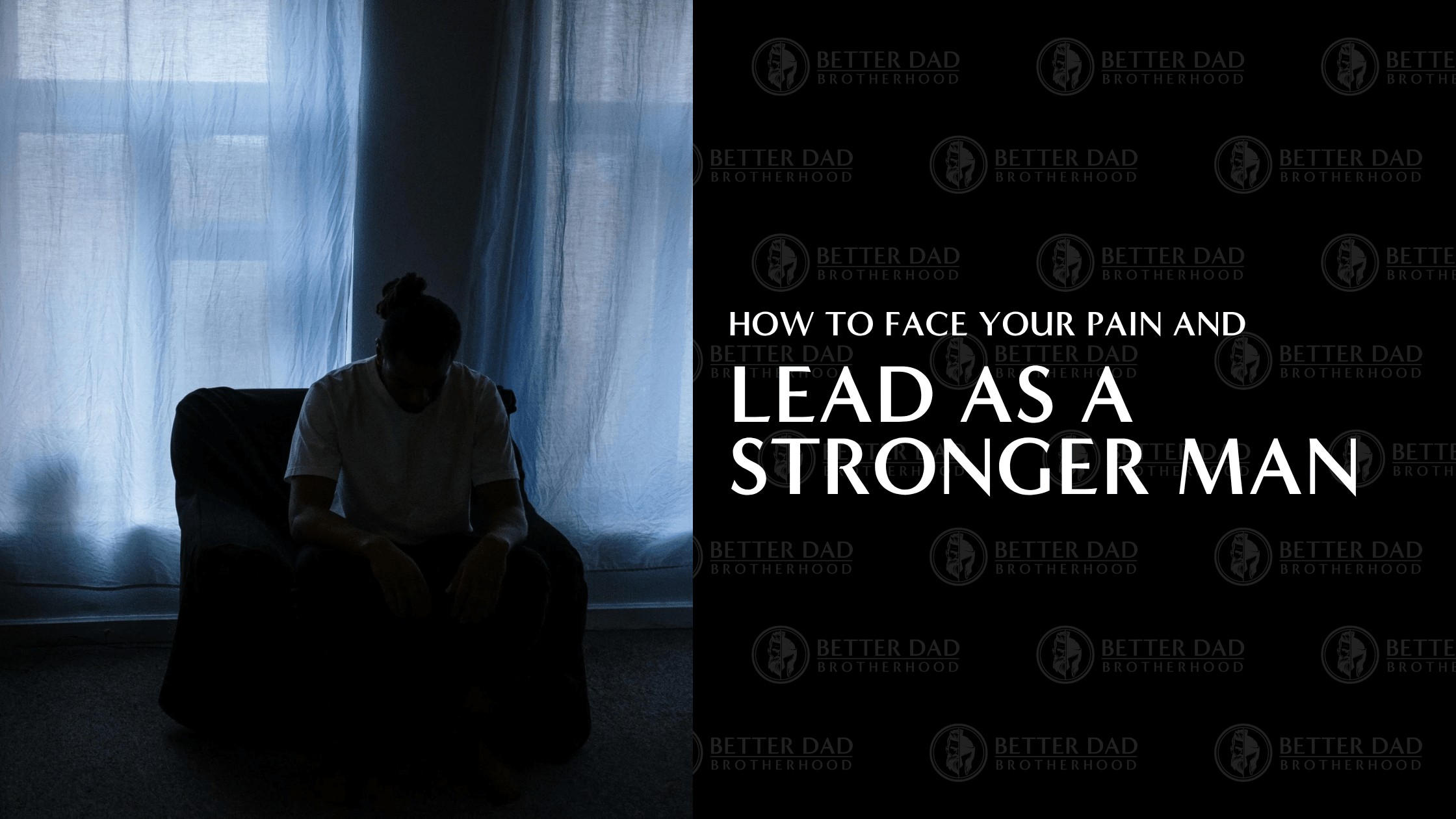

Most men are carrying more than they admit. Not because they want to—but because they’ve been taught to. The silent weight of pressure, expectations, and unresolved struggles doesn’t just disappear. It builds. And until it’s faced, it limits how a man leads, lives, and shows up.