

7 Signs You're Ready to Stop Blaming and Start Leading
There comes a point in every man’s life where blaming stops working. The excuses feel thinner. The frustration lasts longer. And deep down, you know something has to change.
Leadership doesn’t begin with a title—it begins with ownership. The moment you stop pointing outward and start looking inward is the moment real leadership starts to form. This shift isn’t always loud or dramatic. Often, it’s subtle. A change in how you think, speak, and respond under pressure.
If you’ve been feeling stuck, reactive, or drained, these seven signs may indicate that you’re ready to stop blaming and start leading—for yourself, your family, and the people who rely on you.
1. You Embrace Feedback Instead of Defending Yourself

One of the clearest signs you’re ready to lead is how you handle feedback.
Blame-driven men hear feedback as an attack. Leaders hear it as information.
If you can listen without interrupting, resisting the urge to justify yourself, or shutting down emotionally, you’re developing maturity. Feedback—especially uncomfortable feedback—reveals blind spots. It shows you where growth is possible.
More importantly, when you model openness to feedback, others feel safer being honest. Teams, families, and relationships thrive when truth is welcomed rather than punished.
Leadership begins when your ego steps back and curiosity steps forward.
2. You Take Responsibility for Mistakes Without Excuses

Leaders don’t pretend mistakes didn’t happen. They also don’t drown in shame over them.
If you can say, “That was on me. Here’s what I’ll do differently,” you’re operating at a higher level.
Taking responsibility builds trust faster than any motivational speech ever could. It shows integrity, self-respect, and emotional strength.
More importantly, responsibility shifts your focus from damage control to solution creation. Instead of wasting energy protecting your image, you invest it in improvement.
This is where leadership stops being theoretical and starts being practical.
3. You Focus on Solutions, Not Problems

Blame lives in the past. Leadership lives in the next step.
If you’ve stopped asking “Why did this happen?” and started asking “What do we do now?”—that’s a powerful shift.
Solution-focused men don’t deny problems. They just don’t worship them. They understand that momentum is built by action, not analysis paralysis.
This mindset changes the energy of every environment you’re in. People feel more capable, more creative, and more willing to contribute when problems aren’t treated like dead ends.
Leadership is movement—even imperfect movement.
4. You Empower Others Instead of Controlling Them

Blame-based leadership tightens the grip. Real leadership loosens it.
If you’ve started trusting others with responsibility, delegating based on strengths, and allowing people to learn—even through mistakes—you’re stepping into leadership.
Empowerment isn’t abdication. It’s intentional development.
Strong leaders don’t need to be the smartest person in the room. They build rooms full of capable people. When others grow, the entire system becomes stronger.
This applies at work, at home, and within yourself.
If these signs are hitting close to home, you don't have to navigate this transition alone. Book your Free 5-Day Better Dad Breakthrough and get clarity on where you're leading from, what's holding you back, and how to move forward with strength and purpose.
5. You Communicate Clearly and Calmly Under Pressure

Leadership shows up most clearly when things go wrong.
If you’re learning to slow your responses, control your tone, and communicate without emotional explosions, that’s growth.
Clear communication prevents unnecessary conflict and confusion. It creates stability in uncertain moments.
This doesn’t mean you suppress emotion—it means you regulate it. You choose clarity over chaos. Presence over panic.
Men who lead well don’t avoid hard conversations. They handle them with composure.
6. You Exhibit Emotional Intelligence

Emotional intelligence is not softness—it’s strength with awareness.
If you can recognize your emotional triggers, pause before reacting, and empathize with others without losing your boundaries, you’re developing leadership depth.
Emotionally intelligent men create environments where people feel safe, respected, and motivated. They don’t lead through fear or intimidation—they lead through steadiness.
This skill is essential in leadership, fatherhood, marriage, and business. Without it, influence collapses under pressure.
7. You Have a Vision Bigger Than Your Ego

Blame-driven men focus on being right. Leaders focus on building something meaningful.
If you have a clear sense of direction—and can communicate it in a way that inspires others—you’re ready to lead.
Vision gives people something to move toward. It creates alignment, commitment, and resilience during hard seasons.
A leader without vision reacts to life. A leader with vision shapes it.
Additional Tips
Practice Self-Reflection:
Daily reflection builds self-awareness. Ask yourself what you handled well and what you’d improve.
Foster a Culture of Ownership:
Reward responsibility, not excuses. What you tolerate becomes the standard.
Stay Adaptable:
Leadership requires flexibility. Growth demands evolution.
Conclusion
Stopping blame isn’t about becoming perfect. It’s about becoming honest.
When you take responsibility for your actions, reactions, and direction, leadership becomes natural. You stop leaking energy and start building momentum.
Leadership begins with ownership—and it spreads from there.
If you're ready to step fully into leadership with clarity and confidence, book your Free 5-Day Better Dad Breakthrough today and start leading from strength, not excuses.









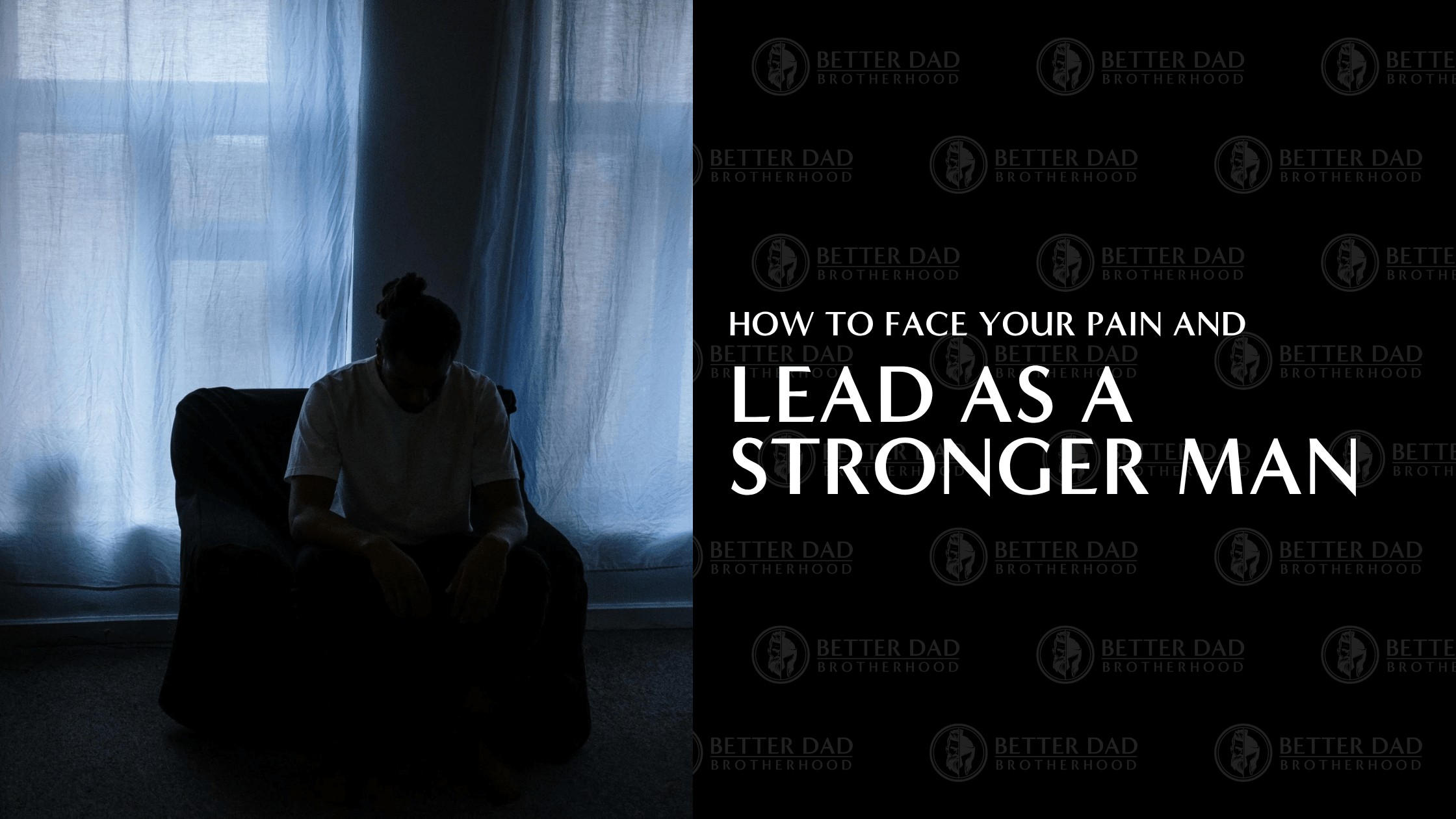

Most men are carrying more than they admit. Not because they want to—but because they’ve been taught to. The silent weight of pressure, expectations, and unresolved struggles doesn’t just disappear. It builds. And until it’s faced, it limits how a man leads, lives, and shows up.